
If your cat seems to have a lot to say, you are not imagining it. Cats become more vocal for a variety of reasons, ranging from hunger and attention-seeking to medical conditions that require a veterinarian’s evaluation. At Midshore Veterinary Service in Easton, MD, we hear from cat owners all the time who are wondering why their cat is so vocal and whether the extra meowing, yowling, or chattering is something to be concerned about.
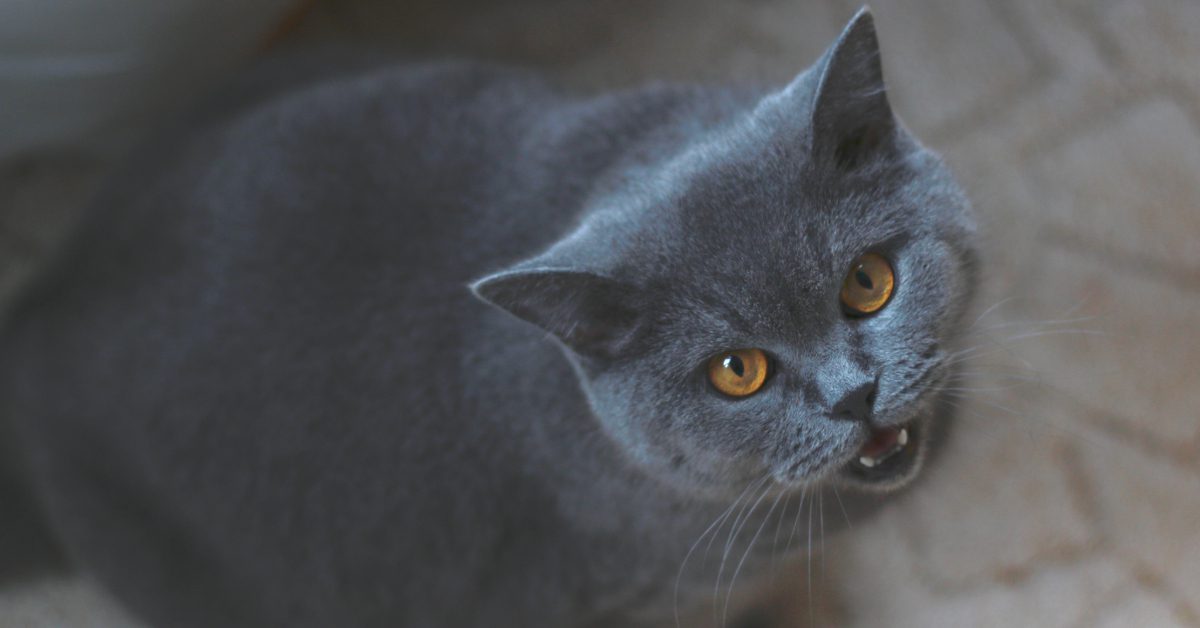
Is It Normal for Cats to Be Vocal?
Yes, some cats are naturally more talkative than others. Certain breeds are well-known for being vocal cats, including Siamese, Bengal, and Burmese cats, which were selectively bred in ways that encouraged communication with humans. But even a cat that has always been relatively quiet can suddenly become more vocal, and that shift in behavior deserves attention.
Understanding why your cat is so vocal starts with context. Is your cat crying at night? Meowing excessively for food? Yowling without an obvious trigger? The type of vocalization, the timing, and any other behavioral changes all provide important clues about what your cat is trying to tell you.
Common Reasons Your Cat Is So Vocal
There is no single answer to the question “Why is my cat so vocal?” because cats use vocalizations to communicate a wide range of needs and emotions. The most common reasons fall into a few key categories.
Hunger or Thirst
One of the most straightforward reasons a cat becomes vocal is that they want food or water. Cats quickly learn that meowing gets a response from their owners, and they use this to their advantage around mealtimes. If your cat is especially talkative in the morning or right before you fill their bowl, hunger is likely the driving force. This type of vocal cat behavior is learned and tends to intensify if the cat is reinforced by getting what they want.
Attention and Social Bonding
Cats that are bonded to their owners often meow simply to initiate interaction. An overly vocal cat may be asking to be petted, played with, or simply acknowledged. This is especially common in cats that are left alone for long stretches of the day. If your cat follows you from room to room and vocalizes throughout, they may be expressing loneliness or a strong desire for connection.
Environmental Stress or Anxiety
Changes in the home environment can trigger increased vocalization in cats. Moving to a new home, introducing a new pet, rearranging furniture, or changes in the family’s routine can all cause a cat to become vocal as a way of expressing stress or uncertainty. Cats are creatures of habit, and disruptions to their routine often manifest as behavioral changes, including excessive meowing.
Reproductive Behavior
Unspayed female cats in heat are famously vocal. The yowling and calling behavior associated with estrus can be loud, persistent, and extremely disruptive. Male cats that detect a female in heat nearby may also become very vocal. If your cat is not spayed or neutered and has suddenly become much more talkative, reproductive hormones are likely the explanation. Our team at Midshore Veterinary Service can discuss spay and neuter options that will resolve this type of vocalization.
When a Vocal Cat Is a Medical Concern
While many causes of cat vocalization are behavioral, excessive meowing can also be a sign of an underlying health issue. Knowing when to take your vocal cat to the vet is an important part of responsible cat ownership.
Cognitive Dysfunction in Senior Cats
One of the most common medical reasons for a suddenly vocal cat is cognitive dysfunction syndrome, which is sometimes compared to feline dementia. Senior cats with cognitive decline may cry out, especially at night, because they are confused, disoriented, or experiencing disrupted sleep cycles. If your older cat has become increasingly vocal, particularly with yowling at night, a veterinary evaluation at Midshore Veterinary Service is strongly recommended to assess for cognitive changes.
Hyperthyroidism
Hyperthyroidism is a common condition in middle-aged and older cats in which the thyroid gland produces too much thyroid hormone. One of the classic signs of hyperthyroidism is increased vocalization, often paired with weight loss despite a good appetite, increased thirst, and hyperactivity. If your cat is so vocal that the behavior seems out of character, and especially if other symptoms are present, hyperthyroidism should be ruled out with a blood test.
Pain or Discomfort
Cats in pain do not always hide it quietly. Some cats vocalize when they are hurting, particularly if the pain is acute or if it worsens with movement. A cat that cries when picked up, when using the litter box, or when touched in a specific area may be signaling discomfort. Dental disease, urinary issues, arthritis, and abdominal pain are all conditions that can cause a cat to become vocal. Do not ignore sudden changes in vocalization in a cat that has not been excessively talkative before.
High Blood Pressure
Hypertension, or high blood pressure, can develop in cats with underlying conditions like kidney disease or hyperthyroidism. One of the neurological effects of high blood pressure is increased restlessness and vocalization. A cat that suddenly becomes very vocal, especially an older cat, should be examined to rule out hypertension and the underlying conditions that cause it.
Signs That Warrant a Veterinary Visit
It can be difficult to know when a vocal cat needs a vet visit versus when the behavior is simply a personality quirk. The following signs suggest that a professional evaluation is the right next step:
- Vocalization that has increased suddenly or recently changed in character
- Yowling at night, especially in a senior cat
- Meowing paired with changes in eating, drinking, litter box habits, or weight
- A cat that cries or vocalizes when touched or moved
- Excessive meowing accompanied by pacing, disorientation, or confusion
- Any new or unusual vocalization in a cat that has historically been quiet
Why Is My Cat So Vocal at Night?
Nighttime vocalization is a particularly common complaint among cat owners. Several factors can drive a cat to meow or yowl after dark, and not all of them are medical. Cats are crepuscular animals, meaning they are naturally more active at dawn and dusk, which can lead to nighttime activity and noise. However, nighttime vocalizing that is new or escalating in an older cat should not be dismissed as normal.
Senior cats with cognitive dysfunction, hyperthyroidism, or high blood pressure are more likely to vocalize at night. Cats that are lonely or under-stimulated during the day may also save their energy for evening interactions. Enriching your cat’s daytime environment with toys, climbing structures, and interactive play can sometimes reduce nighttime vocalization, but a veterinary checkup is always the right starting point when the behavior is new or severe.
Breed-Specific Vocalization: Is Your Cat Just Chatty?
Some cat breeds are simply more vocal than others, and if you own one of these breeds, excessive meowing may just be part of who they are. Here are some of the most talkative cat breeds:
- Siamese: Perhaps the most famously vocal cat breed, Siamese cats communicate constantly and often with impressive volume.
- Bengal: Highly active and intelligent, Bengals tend to vocalize when they want attention or stimulation.
- Burmese: Known for their soft but persistent voices, Burmese cats form strong bonds and meow frequently to maintain them.
- Sphynx: Affectionate and attention-seeking, Sphynx cats tend to express themselves vocally and frequently.
- Maine Coon: Maine Coons often use trilling and chirping sounds more than typical meowing, but they are communicative cats.
If your cat belongs to one of these breeds, being a vocal cat is likely built into their nature. That said, even chatty breeds can experience health conditions that increase their vocalization beyond their baseline, so changes in tone, frequency, or context still deserve attention.
Talk to Your Vet About Your Cat’s Voice
Understanding why your cat is so vocal is a matter of observation, context, and, when the behavior is new or escalating, a conversation with your veterinarian. Our caring team at Midshore Veterinary Service in Easton, MD is experienced in evaluating behavioral and medical changes in cats of all ages. Whether your vocal cat needs a wellness exam, bloodwork to rule out hyperthyroidism, or simply some guidance on enrichment strategies, we are here to help.
Cats communicate for a reason, and listening closely to what they are telling you is one of the most important things you can do as a pet owner. Call Midshore Veterinary Service at (410) 820-9229 today to schedule an appointment.
Recent Posts
About Us
At Midshore Veterinary Service, we don’t just care for animals—we care for the people who love them. Since 1994, we’ve strived to be the go-to veterinary hospital for cats, dogs, farm animals, and exotic pets in Easton, MD, and the surrounding areas.