
Your cat has been perfectly litter box trained for years and then one day, you find a puddle on the floor. A cat peeing on the floor is almost always a sign that something has changed, either inside their body or in their environment, and figuring out which one matters. The cause could be a urinary tract infection, bladder stones, kidney disease, or diabetes, or it could be something as straightforward as a litter box your cat has decided they no longer like. At Midshore Veterinary Service in Easton, MD, we see this concern regularly, and the reassuring truth is that most causes are identifiable and treatable. This blog explores what drives cats to abandon the litter box, when it signals a medical emergency, and how to get your cat and your floors back to normal.
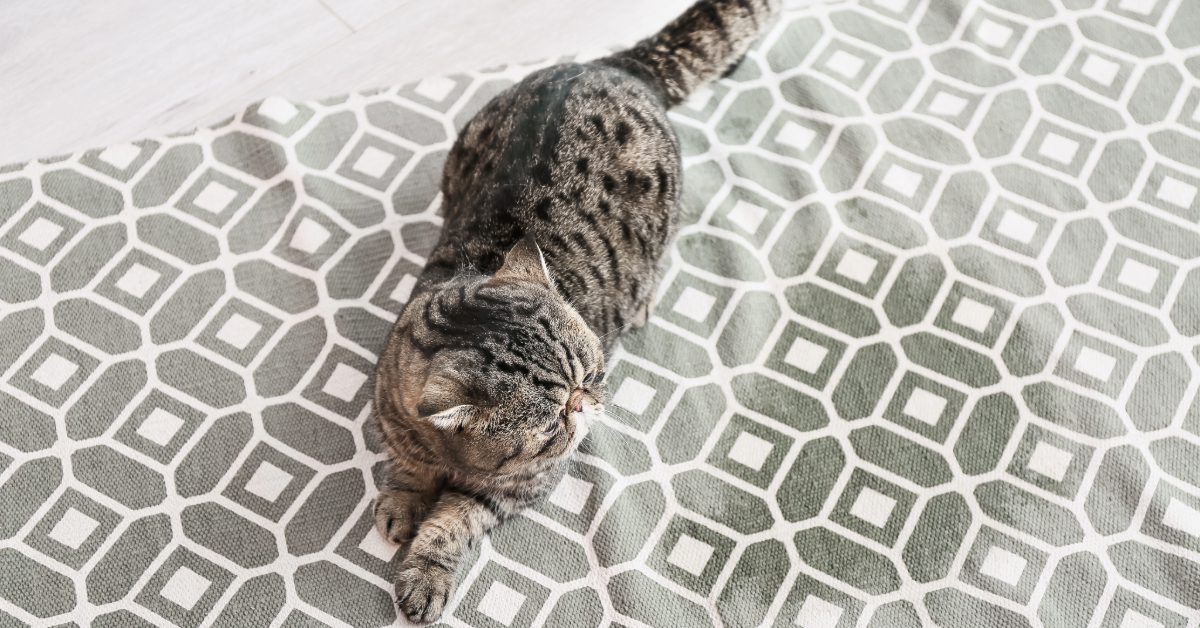
Why Is My Cat Suddenly Peeing Outside the Litter Box?
When a cat is peeing on the floor instead of in the litter box, the behavior is called inappropriate elimination. Cats that were previously reliable about using their litter box and suddenly stop are sending a clear message. Something has changed, either in their body or in their environment, and the litter box is no longer a viable option in their minds.
Understanding why a cat is peeing outside the litter box requires ruling out medical causes first. A veterinary exam is the most important first step when this behavior develops suddenly or is paired with other symptoms. Our team at Midshore Veterinary Service will evaluate your cat’s urinary health and help pinpoint whether the cause is medical or behavioral.
Medical Reasons a Cat May Be Peeing On the Floor
Before assuming the issue is behavioral, it is critical to rule out the medical conditions that commonly cause cats to urinate outside their litter box. Many of these conditions are uncomfortable or even dangerous if left untreated.
Feline Lower Urinary Tract Disease (FLUTD)
FLUTD is an umbrella term for several conditions that affect the bladder and urethra in cats. A cat with FLUTD may strain to urinate, produce only small amounts of urine, cry when urinating, or pee in unusual locations like the floor or bathtub. Cats with FLUTD often associate the litter box with pain and begin avoiding it. This condition requires veterinary diagnosis and management.
Urinary Tract Infection
While urinary tract infections are less common in cats than in dogs, they do occur, especially in older female cats. A cat peeing on the floor and producing small, frequent amounts of urine may have a UTI. Blood in the urine, straining, or strong-smelling urine can also be signs. A urinalysis at Midshore Veterinary Service can confirm or rule out an infection.
Bladder Stones or Crystals
Mineral deposits in the bladder can cause significant discomfort and urinary obstruction. Cats with bladder stones or urinary crystals frequently strain to urinate, may have bloody urine, and often begin eliminating outside the litter box due to the pain associated with urination. This is a condition that requires imaging and veterinary treatment.
Urinary Blockage
A urinary blockage is a life-threatening emergency, particularly in male cats. A blocked cat will strain repeatedly to urinate and produce nothing, or may cry out in pain. If your cat is peeing on the floor and showing signs of straining without producing urine, this is an emergency situation that requires immediate veterinary care. Contact Midshore Veterinary Service or an emergency clinic right away.
Kidney Disease
Chronic kidney disease in cats often leads to increased urination and water intake. A cat with kidney disease may simply not make it to the litter box in time, resulting in accidents on the floor. Senior cats that are suddenly peeing more frequently or in unusual places should be evaluated for kidney function as part of a wellness workup.
Diabetes
Diabetic cats produce significantly more urine than healthy cats, which can overwhelm the litter box and lead to accidents. Increased thirst paired with increased urination, weight loss despite a good appetite, and changes in activity levels are signs that diabetes may be a factor. Bloodwork and urinalysis can confirm a diabetes diagnosis at Midshore Veterinary Service.
Behavioral and Environmental Causes of Inappropriate Cat Urination
Once medical causes have been ruled out, the focus shifts to behavioral and environmental factors. These are among the most common reasons cats pee outside the litter box in otherwise healthy animals.
Litter Box Issues
Cats are highly particular about their litter box conditions. Many cats that are peeing on the floor are actually expressing dissatisfaction with the litter box itself. Common litter box problems include:
- A box that is not cleaned frequently enough
- A litter type or scent the cat dislikes
- A box that is too small for the cat’s size
- A covered box that traps odors or feels confining
- Not enough litter boxes for the number of cats in the household (the general rule is one box per cat, plus one)
- A box placed in a location that feels unsafe, too noisy, or difficult to access
Addressing litter box preferences is often the most effective way to stop a cat from peeing on the floor once medical causes have been ruled out.
Stress and Anxiety
Cats are sensitive to changes in their environment. A new baby, a new pet, a move, construction noise, or even a change in the owner’s schedule can trigger stress-related inappropriate urination. This is especially true for multi-cat households where tension between cats can drive a lower-ranking cat to avoid shared resources like the litter box.
Urine Marking or Spraying
Cats that spray urine are usually doing so as a territorial communication behavior rather than a toileting failure. Spraying typically involves small amounts of urine deposited on vertical surfaces, while a cat peeing on the floor in larger volumes is more likely experiencing a toileting issue. Intact cats spray far more frequently than spayed or neutered cats, and addressing reproductive status often resolves the behavior.
What to Do When Your Cat Is Peeing on the Floor
If your cat is peeing outside the litter box, a systematic approach will help you get to the bottom of it. Here is how to proceed:
- Schedule a vet visit first. Inappropriate urination always warrants a veterinary evaluation to rule out medical causes before assuming the issue is behavioral.
- Note the details. Pay attention to how often your cat is urinating, how much urine is produced, whether there is blood or unusual odor, and where the accidents are occurring. This information helps your veterinarian significantly.
- Assess the litter box situation. While waiting for your appointment, evaluate whether the box is clean, appropriately sized, and in a location your cat can access comfortably.
- Reduce household stress. If something in the environment has changed recently, consider how to minimize disruption for your cat while you investigate the cause.
- Do not punish your cat. Punishing a cat for urinating outside the box is ineffective and increases stress, which can worsen the problem.
When Is a Cat Peeing on the Floor an Emergency?
Most cases of inappropriate elimination are not immediate emergencies, but some are. Seek emergency veterinary care if your cat is peeing on the floor and showing any of the following signs:
- Straining repeatedly without producing urine
- Crying or vocalizing during attempts to urinate
- Blood in the urine combined with straining
- Lethargy, loss of appetite, or vomiting alongside urinary symptoms
- A distended or painful abdomen
These signs may indicate a urinary blockage, which is a life-threatening condition requiring immediate treatment. Do not wait to call if you observe any of these symptoms in your cat.
How Midshore Veterinary Service Can Help
Diagnosing why a cat is peeing on the floor involves a thorough physical examination, urinalysis, and often additional diagnostics such as bloodwork or imaging. Our veterinary team at Midshore Veterinary Service in Easton, MD will take a comprehensive approach to identify the cause and develop a treatment plan tailored to your cat’s specific needs.
Whether the cause is a urinary tract infection, bladder stones, kidney disease, or a litter box preference issue, we are here to guide you through the process. Cat owners in the Easton area can count on Midshore Veterinary Service for compassionate, experienced care every step of the way.
Getting to the Root of Inappropriate Urination in Cats
A cat peeing on the floor is not a cat being spiteful or stubborn. It is a cat communicating that something in their body or environment is not right. The sooner the cause is identified, the sooner your cat can be comfortable again and your household can return to normal. If you are dealing with inappropriate urination in your cat, call Midshore Veterinary Service in Easton, MD at (410) 820-9229 to schedule an evaluation. Our team is ready to help you and your cat find answers.
Recent Posts
About Us
At Midshore Veterinary Service, we don’t just care for animals—we care for the people who love them. Since 1994, we’ve strived to be the go-to veterinary hospital for cats, dogs, farm animals, and exotic pets in Easton, MD, and the surrounding areas.