
When you notice your dog not drinking water, it can create immediate concern. A sudden change in hydration habits can stem from stress, environmental changes, health issues, or simple preference shifts. While some dogs drink less on certain days, a consistent or noticeable drop in water intake deserves attention and a call to your veterinarian. Understanding the many reasons behind a dog not drinking water helps you respond appropriately and recognize when it is time to reach out to Midshore Veterinary Service in Easton, MD. If you ever feel unsure about your pet’s behavior, call (410) 820-9229 or book an appointment online.
Dogs rely on steady hydration for digestion, temperature regulation, circulation, and metabolic function. When a dog drinks noticeably less, it may signal discomfort, fear, nausea, dental pain, or an underlying medical condition. This blog explores the behavioral, environmental, and physical factors that can contribute to a dog not drinking water, and how your veterinarian evaluates the cause. You’ll also learn what daily habits and household changes sometimes influence drinking patterns.
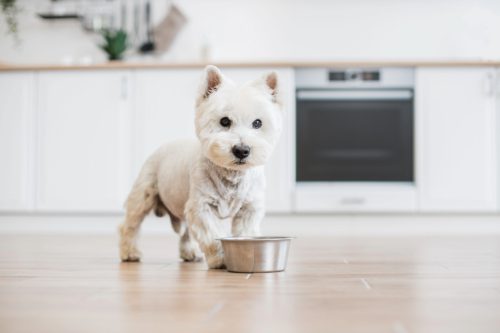
Common Behavioral Reasons for a Dog Not Drinking Water
A dog not drinking water often starts with a behavioral or emotional trigger. Dogs respond to changes in their environment more strongly than many people realize, and disruptions in their routine can affect hydration habits.
Changes in Routine
Dogs thrive on predictable schedules. When meal times, walking times, or household activities shift suddenly, some pets become stressed and drink less. A recent move, a new pet in the home, visitors, or altered work hours can influence hydration patterns.
Stress or Anxiety
Stress can cause a dog to eat or drink less than usual. Loud noises, separation anxiety, construction sounds, or unfamiliar environments may lead to your dog not drinking water as often as they should. Even subtle triggers, such as rearranged furniture or new scents, can affect sensitive dogs.
Preference or Aversion
Some dogs simply dislike stale or warm water. If the water bowl sits near a loud appliance, another pet guards the bowl, or the bowl has an odor, your dog might avoid drinking. Stainless steel bowls sometimes surprise dogs with reflections or noise, while plastic bowls may hold odors.
Environmental Factors That Influence Water Intake
A dog not drinking water may be responding to environmental changes rather than discomfort. These factors can play a surprisingly large role in daily hydration.
Weather and Temperature
Hot weather encourages dogs to drink more, but cooler weather may reduce water interest. When temperatures drop suddenly, some dogs instinctively reduce their intake until they adjust. Indoor climate systems can also influence their comfort. For example, dry air in winter may make some dogs drink more, while others drink less.
Water Source or Taste
Dogs recognize subtle differences in water taste and smell. A slight shift in tap water due to seasonal municipal treatment can cause a noticeable behavioral shift. If you recently cleaned the bowl with a strong-scented detergent, your dog may avoid it temporarily.
Bowl Placement
If the water bowl sits where foot traffic is heavy, or where a dog feels vulnerable, they may avoid drinking there. Some dogs prefer a quiet, low-stress location where they feel safe while eating and drinking.
Medical Conditions That Can Lead to Reduced Water Intake
While many reasons behind a dog not drinking water are behavioral or environmental, physical conditions can also play a role. Only a veterinarian can diagnose these issues, and the team at Midshore Veterinary Service has the tools to assess your pet’s health thoroughly.
Dental Pain or Oral Discomfort
Dogs with mouth pain may hesitate to drink because lowering the head or swallowing becomes uncomfortable. This includes loose teeth, inflamed gums, or oral injuries.
Nausea or Gastrointestinal Discomfort
Dogs experiencing nausea often avoid food and water. Because nausea has many possible causes, the change in drinking habits is a signal that your pet needs veterinary attention.
Urinary or Kidney Conditions
Hydration plays a major role in kidney and urinary health. Some conditions may cause increased thirst, while others may cause decreased thirst. A dog not drinking water consistently should be evaluated to rule out these issues.
Respiratory Illness
Dogs with congestion, cough, or throat irritation may avoid drinking due to discomfort or difficulty swallowing.
Age-Related Changes
Senior dogs may drink less due to reduced activity levels or sensory changes. They may not notice thirst cues as strongly, or they may be reluctant to move to the water bowl if they have joint discomfort.
How Veterinarians Assess a Dog Not Drinking Water
Veterinarians look at hydration behavior through a wide lens. When you bring your dog to Midshore Veterinary Service, our team gathers thorough information before determining the next steps.
Detailed Health History
Your veterinarian will ask about recent lifestyle changes, eating habits, activity levels, and any unusual behaviors. Even small details help paint a clear picture.
Physical Examination
Your vet examines your dog’s mouth, abdomen, eyes, skin, nose, and overall body condition. They also evaluate hydration levels and check for pain or discomfort.
Diagnostic Tests
Based on findings, your veterinarian may recommend diagnostic tests to learn more about what is contributing to your dog not drinking water. This may include bloodwork, imaging, or urinalysis.
Discussion of Behavior and Environment
Your veterinarian may ask about home routines or environmental changes. Understanding your dog’s day-to-day setting helps them identify non-medical influences.
Additional Day-to-Day Factors That Affect Water Intake
Dogs sometimes drink less due to simple daily factors that do not indicate illness but still deserve awareness and monitoring. These influences vary by household and lifestyle and can cause noticeable shifts in hydration patterns.
Diet Changes
Switching from dry kibble to canned or fresh food introduces more moisture into the diet, which naturally reduces a dog’s need to drink. If you recently changed brands or feeding styles, your dog not drinking water as often may simply reflect that.
Activity Levels
A dog that is less active will have reduced fluid needs. Seasonal changes, owner schedule changes, or weather patterns can influence how much exercise your dog gets each day.
Newly Introduced Pets
Some dogs drink less when a new animal enters the home. They may feel uncertain about sharing resources or may wait until the environment feels calmer.
Changes in Bowl Type
Shifting from metal to ceramic, plastic to stainless steel, or vice versa can influence your dog’s willingness to drink. Sound, weight, smell, and shape all matter more to dogs than many people realize.
When It’s Time to Contact Midshore Veterinary Service
A dog not drinking water warrants closer observation and, when the decrease is consistent or accompanied by other symptoms, a call to your veterinarian. If your dog seems low-energy, refuses food, or avoids drinking for more than a brief period, professional support is important. Midshore Veterinary Service in Easton, MD is ready to help assess your pet’s hydration concerns and provide guidance tailored to your dog’s needs. You can reach the team at (410) 820-9229 or book an appointment online for timely support.
Recent Posts
About Us
At Midshore Veterinary Service, we don’t just care for animals—we care for the people who love them. Since 1994, we’ve strived to be the go-to veterinary hospital for cats, dogs, farm animals, and exotic pets in Easton, MD, and the surrounding areas.