
When you notice your dog biting nails more often than usual, it usually points to an underlying issue affecting their comfort or behavior. Dogs may chew or lick at their nails due to allergies, anxiety, infections, or simple grooming habits that change over time. While occasional chewing isn’t unusual, ongoing nail-biting can signal something that needs attention from a veterinary team. Understanding the different reasons behind this behavior helps you recognize what may be influencing your dog’s habits and when a visit to Midshore Veterinary Service in Easton, MD, can help guide next steps. If your dog biting nails becomes frequent or disruptive, call (410) 820-9229 or book an appointment online.
Introduction to Nail-Biting Behaviors in Dogs
A dog biting their nails can be surprising for many pet owners, especially when the behavior seems sudden or persistent. You might expect grooming habits in cats, but dogs also engage in their own version of self-care from time to time. When that grooming turns into repeated chewing, clicking, or focused nibbling on their paws, something may be irritating your dog or affecting the health of their nails and skin. This behavior can also connect to emotional triggers, environmental changes, seasonal patterns, or general discomfort. As you explore the possible reasons for a dog biting nails, you gain valuable insight into what your pet may be trying to communicate. This blog walks through common causes, what signs to watch for, and how your veterinary team can help evaluate the situation.
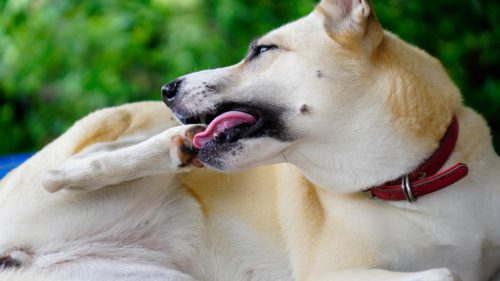
Common Reasons for a Dog Biting Their Nails
Several factors can contribute to a dog biting their nails, and each one influences your pet’s behavior in a different way. While some causes relate to grooming or minor irritation, others may involve conditions that require attention from a veterinary professional. Below are some of the most frequent explanations for this habit and how they may appear in daily life.
Allergies and Skin Irritation
Allergies often lead to itching and inflammation, and the paws tend to be one of the first areas affected. Dogs with seasonal or environmental allergies may chew their nails because the skin around the nail beds feels irritated. Food allergies can also create full-body itchiness, which includes the paws. When a dog biting their nails occurs often during certain times of the year, pollen may be involved. When the chewing continues year-round, household triggers or dietary sensitivities may play a role. Your veterinarian can help evaluate your dog’s symptoms and discuss next steps if allergies are suspected.
Behavioral Triggers and Stress
A dog biting their nails isn’t always caused by physical irritation. Stress and anxiety can influence how a dog behaves, and nail-chewing may become a repetitive or soothing action. Dogs may respond this way to changes in routine, new household members, loud noises, or long periods of boredom. Behavioral causes often appear alongside pacing, frequent licking, or difficulty settling down. Dogs experiencing stress may focus intensely on their paws as a distraction or coping mechanism. If chewing increases during unfamiliar or emotionally charged situations, stress may be contributing to the behavior.
Overgrown Nails or Natural Grooming Habits
Sometimes a dog biting nails happens because the nails have grown too long or have developed rough edges. Dogs that walk on softer surfaces, such as grass or carpet, may not naturally wear down their nails as much as active dogs on concrete or hard ground. When nails become long, they can catch on carpets, bedding, or grass, prompting dogs to nibble or chew to smooth them out. In addition, some dogs simply develop grooming habits that mimic nail maintenance, especially as they age. A quick veterinary assessment can confirm whether a trim or grooming adjustment may help reduce the chewing.
Infections Affecting the Paws or Nail Beds
Yeast, bacterial, or fungal infections can lead to redness, itchiness, odor, discoloration, or debris around the nails. Dogs often respond to these changes by biting their nails to relieve irritation. Infections may begin with extended moisture exposure, allergies, or small injuries that introduce bacteria to the nail bed. When a dog biting nails becomes intense or involves one particular foot, infection may be the reason. Our veterinary team can examine the paws and determine whether an underlying issue needs attention.
How to Recognize When Nail-Biting Needs Veterinary Attention
A dog biting nails occasionally during grooming isn’t unusual. The behavior becomes concerning when it disrupts daily life, increases suddenly, or appears with other signs of discomfort. Paying attention to your dog’s patterns helps you know when it’s time to reach out to Midshore Veterinary Service.
Persistent Paw Chewing or Licking
When a dog biting their nails continues throughout the day or becomes a routine part of their behavior, something may be affecting their comfort. Persistent chewing can also irritate the skin, leading to redness or hair loss. If you notice your dog focusing heavily on their paws, consider scheduling an appointment for an evaluation.
Changes in the Appearance of the Nails or Paws
Swelling, discoloration, broken nails, flaky skin, or foul odors often indicate that a condition could be affecting your dog’s nail beds. These changes may progress over time, especially if the chewing becomes vigorous. A quick visual check of all four paws can help you notice anything new that may warrant a closer look from your veterinarian.
Behavioral Shifts or Sensitivity in the Paws
A dog biting nails due to anxiety or discomfort may also seem more restless, withdrawn, or sensitive when touched. Some dogs pull their paws away, resist handling, or become less active. Sudden behavioral changes paired with chewing suggest that your dog could benefit from a veterinary visit, where the team can assess both physical and emotional factors.
How Midshore Veterinary Service Diagnoses Causes of Nail-Biting
Your veterinarian will look at several aspects of your dog’s health to understand why the nail-biting is happening. Diagnostic steps vary depending on whether the cause appears physical, behavioral, or environmental.
Physical Examinations and Skin Evaluations
A physical exam allows your veterinarian to assess nail length, paw pads, skin condition, and any visible irritation. They may check for signs of infections, injuries, or allergic reactions during the appointment. This exam provides valuable clues about what may be triggering the chewing.
Discussion of Behavior and Environment
If the cause appears behavioral, your veterinary team will ask questions about your dog’s routine, stressors, and recent changes. Understanding your dog’s environment helps determine whether factors such as boredom, anxiety, or lack of stimulation may influence the nail-biting habit.
Additional Testing When Needed
Veterinarians may recommend tests to examine skin cells, look for bacteria or yeast, or rule out more complex issues affecting the paws. These tests help form a clearer picture of your dog’s health and guide future steps.
Addressing Nail-Biting Through Veterinary Care
Veterinary support plays a major role in figuring out what may be behind a dog biting their nails. Your veterinarian can identify contributing factors, suggest adjustments that support your dog’s comfort, and offer guidance on long-term management. They may also discuss grooming routines, environmental modifications, or behavioral considerations depending on your dog’s needs. Early evaluation helps reduce complications and improves your dog’s well-being over time. If your dog biting their nails becomes persistent or concerning, reach out to Midshore Veterinary Service by calling (410) 820-9229 or booking an appointment online.
Recent Posts
About Us
At Midshore Veterinary Service, we don’t just care for animals—we care for the people who love them. Since 1994, we’ve strived to be the go-to veterinary hospital for cats, dogs, farm animals, and exotic pets in Easton, MD, and the surrounding areas.