
Finding a tick on your dog can feel alarming, but discovering it early gives you an opportunity to respond quickly and reduce potential problems. When pet owners search for information about ticks on dogs, they want to know what the next steps look like, what risks exist, and how a veterinary team can help. This blog explains what to do if you spot a tick, why ticks on dogs matter in the first place, and when you should contact Midshore Veterinary Service for support.
A Closer Look at Ticks on Dogs and Why They Matter
Ticks on dogs are more than a seasonal nuisance. These parasites attach to the skin and feed on blood. While a single tick may seem insignificant, ticks on dogs can bring concerns because many species carry organisms that may transmit disease. When you discover one on your pet, the goal is to act promptly and give your veterinary team accurate information when needed.
Ticks thrive in grasses, woods, leaf piles, and even well-maintained yards. Dogs that enjoy exploring the outdoors, especially in areas around Easton, face regular exposure. Ticks on dogs can vary in size depending on the species and how long they have been attached. Some appear as tiny specks; others become larger as they fill with blood. Recognizing how they look helps you understand what you are dealing with.
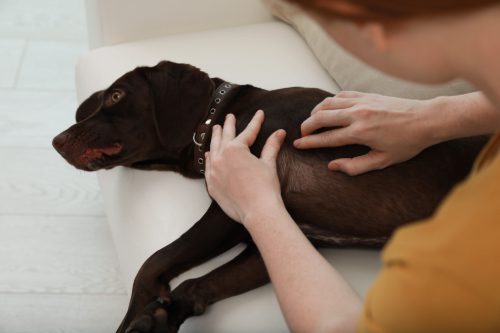
Many pet owners first notice ticks on dogs during routine petting or grooming. If you see a tick or feel a small bump beneath the coat, take a moment to inspect it more closely. Staying calm helps you focus on what comes next and allows you to give your veterinarian clear details if you call Midshore Veterinary Service at (410) 820-9229.
How Ticks Attach and Why Early Detection Helps
Understanding how ticks on dogs attach gives pet owners insight into why early detection matters. Ticks climb onto a host by waiting on vegetation—a behavior known as “questing.” Once a dog brushes past, the tick grabs onto the coat and searches for a spot to feed.
How Ticks Locate a Feeding Site
Ticks follow heat and scent cues, which guide them toward the skin. They often settle near areas with thinner fur, such as:
- Around the ears
- Along the face
- Between the toes
- Under the collar
- In the armpits or groin
Ticks on dogs may remain unnoticed for hours if the coat is dense. That is why regular inspections, especially after outdoor activity, are valuable.
What Happens When a Tick Feeds
Ticks insert their mouthparts into the skin and anchor themselves in place. They can remain attached for several hours or even days. As they feed, their bodies enlarge. Spotting ticks on dogs earlier helps reduce the amount of time they stay attached, which lowers the risk of disease transmission.
Common Types of Ticks on Dogs in Maryland
Midshore Veterinary Service sees a variety of ticks on dogs throughout the year, especially during warmer months. Each species has its own habits and preferred environments.
American Dog Tick
This tick is common in grassy and wooded areas. It often attaches to dogs during spring and summer. The American dog tick can grow significantly as it feeds and is one of the easier species to spot.
Deer Tick
Also known as the black-legged tick, this species is small and can be difficult to see in the early stages. Deer ticks on dogs are found year-round but peak in the spring and fall. Because of their size, many pet owners miss them during initial inspections.
Brown Dog Tick
This species survives well in indoor environments. Brown dog ticks on dogs can appear in kennels, garages, or homes. They reproduce quickly, which makes them important to address promptly.
Where Ticks on Dogs Like to Hide
Ticks on dogs rarely attach in random places. They prefer warm, protected areas where the skin is easy to reach.
High-Risk Areas to Check
After outdoor time, it helps to look over the areas listed below. Doing so builds a routine that makes it easier to spot ticks on dogs before they attach for long periods.
- Inside the ears
- Under the jaw
- Between the back legs
- Along the tail base
- Between the toes
- Under collars or harnesses
A thorough check also helps you become familiar with your dog’s skin, which means you can quickly identify anything that looks unusual.
Why Ticks on Dogs Raise Health Concerns
Ticks on dogs can introduce microorganisms during feeding. While this blog does not offer medical diagnosis, it is important to understand why a prompt veterinary link exists.
Possible Complications Associated with Tick Exposure
Ticks on dogs may transmit organisms that can affect overall health. These organisms vary by tick species and region. Some may lead to systemic issues if not addressed by a veterinarian. Even when disease is not transmitted, the bite site can become irritated or inflamed.
Dogs may respond differently to tick exposure. Some show mild changes, while others may show more noticeable signs if a disease is transmitted. Because every dog reacts differently, contacting Midshore Veterinary Service with concerns helps you understand what steps to take next.
What To Do If You Find Ticks on Dogs: Helpful First Steps
Discovering ticks on dogs can catch anyone off guard, but knowing what to do promotes confidence and clarity. Your actions in the first moments matter because they help your veterinary team understand what happened.
- Stay Calm and Assess the Situation: If you see a tick, remain calm. Panicking does not help your dog and can make the situation feel more stressful than necessary. Look at the tick closely. Note its size, location, and whether it appears engorged. These details can be helpful when you contact the veterinary team.
- Avoid Home Remedies or In-Home Treatments: It may feel tempting to try a DIY method you saw online, but many of these approaches can make matters worse. Midshore Veterinary Service encourages pet owners to avoid home treatments and reach out for guidance instead. Your veterinarian can explain what should happen next based on the information you provide.
- Do Not Ignore the Tick or Delay Action: Ticks on dogs do not fall off immediately after feeding. Waiting too long before taking action increases uncertainty. A quick call to Midshore Veterinary Service at (410) 820-9229 helps you decide the appropriate next step and ensures you have the support you need.
How Midshore Veterinary Service Helps With Ticks on Dogs
Veterinarians evaluate ticks on dogs with a careful eye. Their goal is to identify any concerns and determine whether follow-up testing or preventive adjustments are needed.
Veterinary Assessment
Your veterinarian may want to know:
- When you first noticed the tick
- Whether your dog has been in wooded or grassy areas
- How many ticks you found
- Whether your dog has had recent preventive medication
This information helps the team determine what follow-up steps may be appropriate.
Discussing Tick Prevention for the Future
Ticks on dogs often become a repeating issue if prevention is not addressed. Your veterinarian can explain the preventive products available, how they work, and which options may align with your dog’s lifestyle. Year-round tick prevention helps reduce exposure and supports long-term health.
Building a Routine That Helps You Stay Ahead of Ticks
A consistent routine reduces stress and increases your confidence when dealing with ticks on dogs. When you make tick checks part of your dog’s daily or weekly care, you gain the advantage of early detection.
Helpful Habits for Pet Owners
Creating a simple checklist can improve awareness:
- Inspect your dog after hikes or yard play
- Keep grass trimmed to reduce tick habitat
- Ask your veterinarian about regional tick activity
- Maintain year-round preventives
- Monitor any changes in your dog’s behavior
Ticks on dogs are a reality for many pets in the Easton area, but you do not have to navigate them alone. Midshore Veterinary Service provides guidance, preventive strategies, and support whenever you encounter ticks on dogs or have questions about your pet’s safety. If you recently found a tick or want to discuss prevention, call (410) 820-9229 or book an appointment online.
Recent Posts
About Us
At Midshore Veterinary Service, we don’t just care for animals—we care for the people who love them. Since 1994, we’ve strived to be the go-to veterinary hospital for cats, dogs, farm animals, and exotic pets in Easton, MD, and the surrounding areas.