
The safest answer to what to give a dog for diarrhea is to call your veterinarian before offering anything, since the right choice depends on the cause, your dog’s age, and their overall health. For mild cases, veterinarians commonly recommend a short-term bland diet, a veterinary probiotic, or a prescription digestive food, while human medications can do more harm than good. Diarrhea ranks among the most frequent reasons owners contact their vet, and most episodes stem from something simple like a dietary slip. Still, loose stool can also signal parasites, infections, or more serious illness. At Midshore Veterinary Service in Easton, MD, we field questions about upset stomachs every week. This guide explains the foods veterinarians typically suggest, the items you should never give, the most common causes of diarrhea, and the signs that mean your dog needs to be seen right away. Use it to prepare for a productive conversation with your veterinary team.
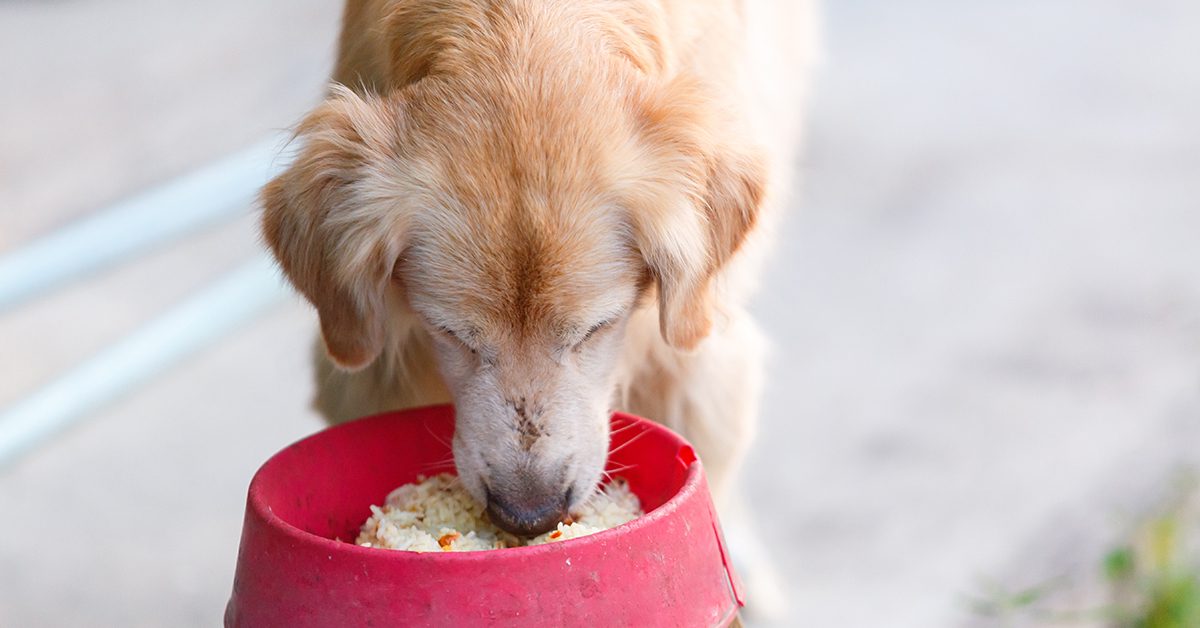
What to Feed a Dog With Diarrhea?
Food choices play a big role in how quickly a dog’s digestive tract settles down. Here’s an overview of what veterinarians most often suggest, along with why professional guidance matters for each option.
Bland Diets
When owners ask what to give a dog for diarrhea, veterinarians frequently mention a temporary bland diet. These diets typically combine a lean, easily digested protein such as plain boiled chicken with a simple carbohydrate like white rice. Bland foods give the gut a break from fat and rich ingredients. Your veterinarian can tell you whether a bland diet suits your dog, how long to use it, and how to transition back to regular food, since those details vary by size, age, and health history.
Prescription Gastrointestinal Diets
Many veterinary clinics carry therapeutic diets formulated specifically for digestive upset. These foods are highly digestible, nutritionally complete, and often contain added fiber or prebiotics. They offer a convenient, balanced alternative to home-cooked bland meals, especially for dogs with recurring stomach troubles.
Probiotics and Fiber
Veterinary probiotics help restore healthy gut bacteria after a bout of diarrhea. Some veterinarians also recommend a fiber source, such as plain canned pumpkin, for certain types of loose stool. Not every probiotic or fiber product works the same way, so ask which option fits your dog’s situation instead of choosing one off the shelf.
Fresh Water
Diarrhea pulls fluid from the body quickly. Fresh water should always be available, and your veterinarian may suggest additional ways to support hydration if your dog seems reluctant to drink. Hydration ranks as a top priority whenever you’re deciding what to give a dog for diarrhea, because fluid loss can become dangerous faster than many owners expect.
What Should You Avoid Giving a Dog With Diarrhea?
Knowing what to skip is just as important as knowing what to give a dog for diarrhea. Some common household remedies can worsen symptoms or create new health problems.
Items to Leave in the Cabinet
Avoid offering any of the following unless your veterinarian specifically recommends it:
- Human anti-diarrheal medications, which can be dangerous for certain breeds and may mask a serious infection
- Bismuth subsalicylate products, which contain aspirin-like compounds that can irritate the stomach and interfere with other medications
- Fatty table scraps, such as bacon, gravy, or meat trimmings, which can trigger pancreatitis
- Milk and dairy products, since many dogs digest lactose poorly
- New treats, chews, or foods introduced while the stomach is already upset
- Spicy, seasoned, or onion- and garlic-containing foods, which can be toxic or irritating
Why Guessing Can Backfire
Online advice about what to give a dog for diarrhea often treats every case the same way. In reality, diarrhea caused by parasites, a viral infection, or swallowed objects needs very different care than a mild reaction to a new treat. Medications that slow the gut may also trap bacteria or toxins inside the body. A quick call to your veterinarian helps you avoid well-meaning choices that delay recovery.
Special Caution for Puppies and Seniors
Young puppies, senior dogs, and dogs with chronic health conditions can become dehydrated much faster than healthy adults. These dogs should always be evaluated by a veterinarian rather than managed at home. For them, the question of what to give a dog for diarrhea is best answered during an exam at Midshore Veterinary Service or another trusted clinic.
What Causes Diarrhea in Dogs?
Understanding the reason behind loose stool helps your veterinarian decide on the most effective care. Causes range from minor and temporary to serious and ongoing.
Everyday Triggers
Garbage raids, table scraps, and sudden switches between dog foods top the list of common causes. Stress from travel, boarding, fireworks, or a new household member can also upset the digestive tract. These cases often resolve quickly with veterinary guidance. Even so, the answer to what to give a dog for diarrhea after a garbage raid may differ from the answer after a stressful boarding stay, which is why a short call with your veterinary team is worthwhile.
Parasites and Infections
Intestinal parasites such as roundworms, hookworms, whipworms, and Giardia frequently cause diarrhea. Giardia and certain bacteria can spread through contaminated water, so dogs that drink from ponds, creeks, or puddles around Talbot County face higher exposure. Viral infections like parvovirus pose a serious threat, especially to unvaccinated puppies.
Medical Conditions
Ongoing or recurring diarrhea may point to an underlying condition, including:
- Food allergies or intolerances
- Inflammatory bowel disease
- Pancreatitis or pancreatic insufficiency
- Liver or kidney disease
- Swallowed foreign objects causing irritation or blockage
- Exposure to toxic plants, chemicals, or medications
Because so many conditions share the same symptom, the best response to what to give a dog for diarrhea always starts with identifying why it’s happening.
When Does Dog Diarrhea Need a Vet Visit?
A single soft stool in an otherwise happy, energetic dog may not be cause for alarm, but many situations call for prompt veterinary care. Watching your dog’s overall behavior helps you decide how quickly to act.
Warning Signs That Need Immediate Care
Contact your veterinarian or an emergency hospital right away if your dog has diarrhea along with any of these signs:
- Blood in the stool or black, tarry stool
- Repeated vomiting or inability to keep water down
- Lethargy, weakness, or collapse
- A painful, swollen, or tight belly
- Pale gums or signs of dehydration, such as dry gums or sunken eyes
- Known or suspected toxin exposure or a swallowed object
Puppies, especially those not fully vaccinated, should be seen the same day for any diarrhea because of the risk of parvovirus and rapid dehydration.
When to Book an Appointment
Diarrhea lasting longer than a day or two, episodes that keep returning, or weight loss over time all deserve an exam. Call Midshore Veterinary Service at (410) 820-9229 to schedule a visit or ask whether your dog needs to come in.
What to Expect at the Visit
Your veterinarian will ask about your dog’s diet, recent activities, and stool changes, then perform a physical exam. A fecal test checks for parasites, while bloodwork, X-rays, or ultrasound may help when the cause is less obvious. Bringing a fresh stool sample to your appointment can speed up the diagnosis. Once the cause is clear, your veterinarian can give specific recommendations on what to feed a dog with diarrhea in your dog’s particular case, along with any medications that may help.
Get Trusted Guidance for Your Dog’s Upset Stomach
Figuring out what to give a dog for diarrhea feels much easier when you have a veterinary team you can call. Every dog’s digestive system, health history, and risk factors are different, so personalized advice offers far better results than a one-size-fits-all remedy. The veterinarians at Midshore Veterinary Service in Easton, MD, can help determine the cause of your dog’s diarrhea, recommend appropriate foods or medications, and check for parasites or other conditions that need treatment. Routine wellness exams, regular parasite screening, and up-to-date vaccinations also lower the odds of future digestive trouble. If your dog shows blood in the stool, repeated vomiting, or lethargy, seek care immediately. For questions about mild stomach upset or to schedule an exam, call us at (410) 820-9229. We’re happy to help your dog feel like themselves again.
Recent Posts
About Us
At Midshore Veterinary Service, we don’t just care for animals—we care for the people who love them. Since 1994, we’ve strived to be the go-to veterinary hospital for cats, dogs, farm animals, and exotic pets in Easton, MD, and the surrounding areas.