
When you notice your dog’s gums bleeding, the most likely cause is periodontal (gum) disease, though mouth injuries, oral tumors, tick-borne illnesses, and blood clotting problems can also be responsible. Treatment depends entirely on the underlying cause and may range from a professional dental cleaning to bloodwork and treatment for a systemic illness. Spotting a pink tinge on a chew toy or blood in the water bowl can be unsettling, and many owners aren’t sure whether it signals a minor issue or something more serious. At Midshore Veterinary Service in Easton, MD, we help pet owners sort out what bleeding gums mean and what to do next. In this article, we explain the common reasons behind a dog’s gums bleeding, the other symptoms to watch for, when the situation counts as an emergency, and how veterinarians diagnose and treat the problem. Understanding these basics helps you get your dog the right care at the right time.
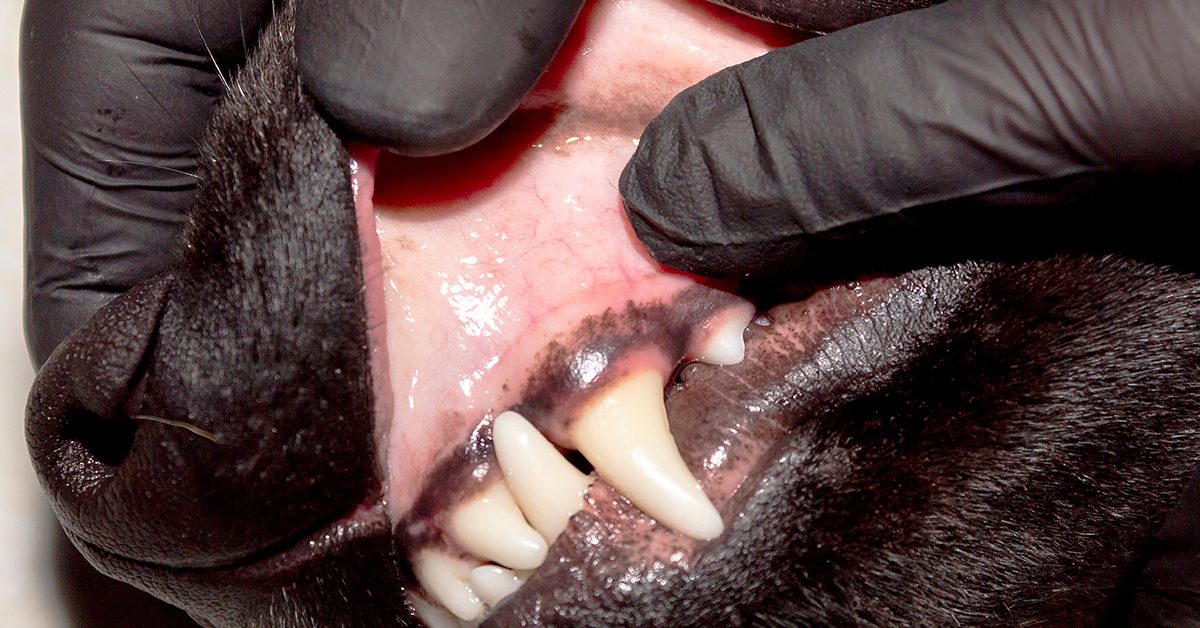
Why Are My Dog’s Gums Bleeding?
Bleeding gums usually trace back to a problem inside the mouth, but sometimes the mouth is simply where a body-wide condition first becomes visible. Here are the causes veterinarians consider first.
Periodontal Disease
Gum disease stands out as the leading reason for a dog’s gums bleeding. Plaque and tartar collect along the gumline, bacteria multiply, and the gums become red, swollen, and tender. This early stage, called gingivitis, often bleeds when your dog chews or when the gums are touched. Without treatment, the infection works its way below the gumline, damaging the tissue and bone that hold teeth in place. Most dogs show some degree of dental disease by age three, and small breeds tend to develop it earlier and more severely.
Injuries From Chewing
Hard bones, antlers, sticks, and rough toys can cut or puncture the gums. A fractured tooth can also bleed and expose sensitive nerve tissue. Bleeding from an injury often appears suddenly after play and may be limited to one area of the mouth.
Oral Growths and Tumors
Lumps on the gums can be benign or cancerous. Growths such as epulides, melanoma, and squamous cell carcinoma may bleed easily, especially when they rub against food or toys. Any new mass in your dog’s mouth deserves a veterinary exam.
Clotting Problems and Systemic Illness
Sometimes a dog’s gums bleeding points to a problem with the blood itself. Tick-borne diseases like ehrlichiosis and anaplasmosis, which appear regularly on the Eastern Shore, can lower platelet counts. Ingesting rat or mouse poison prevents normal clotting. Immune-mediated disorders, liver disease, and kidney disease can also cause gum bleeding or mouth ulcers.
Teething in Puppies
Puppies between roughly three and six months old lose their baby teeth, and a little blood on toys during this phase is common. Persistent or heavy bleeding still warrants a call to your veterinarian.
Symptoms That Often Appear Alongside Bleeding Gums
Bleeding rarely shows up alone, and the signs that accompany it can help your veterinarian narrow down the cause. Paying attention to the bigger picture gives your veterinary team valuable information.
Mouth-Related Signs
When dental disease or an oral injury explains your dog’s gums bleeding, you may also notice:
- Persistent bad breath that doesn’t improve
- Yellow or brown tartar buildup along the teeth
- Red, puffy, or receding gums
- Loose, broken, or missing teeth
- Drooling, pawing at the face, or chewing on one side
- Dropping food or reluctance to eat hard kibble
Signs Elsewhere in the Body
If bleeding gums stem from a clotting disorder or systemic illness, symptoms often reach beyond the mouth. Watch for small red or purple spots on the skin or gums, bruising on the belly, nosebleeds, blood in urine or stool, pale gums, lethargy, or increased thirst. These signs suggest the problem may involve the blood, organs, or immune system rather than the teeth alone.
Behavior Changes
Dogs are experts at hiding discomfort. A dog that suddenly avoids chew toys, flinches when you touch its face, or seems irritable may be dealing with oral pain. Subtle shifts like these are worth mentioning at your next appointment. Note when you first saw your dog’s gums bleeding, how often it happens, and whether it occurs mainly during meals, play, or at rest. These details help your veterinarian decide which tests make the most sense.
When Is a Dog’s Bleeding Gum an Emergency?
Mild bleeding from inflamed gums usually calls for a prompt appointment, but certain situations require immediate veterinary care. Knowing which category your dog falls into helps you respond quickly.
Seek Emergency Care Right Away If You Notice:
- Bleeding that won’t stop or soaks through toys and bedding
- Possible exposure to rat or mouse poison, even if you aren’t certain
- Pale, white, or gray gums combined with weakness
- Bruising, pinpoint red spots, or bleeding from other areas of the body
- Collapse, rapid breathing, or extreme lethargy
- Significant facial swelling or trauma to the mouth
Rodenticide poisoning in particular may not cause visible signs for several days after ingestion, so contact your veterinarian immediately if you suspect your dog ate any bait, even if your dog seems fine.
Schedule a Prompt Visit For:
Light bleeding during chewing, bad breath, visible tartar, or a small cut on the gums typically isn’t an emergency but still needs attention. Call Midshore Veterinary Service at (410) 820-9229 to book an exam within a few days. Early evaluation often prevents dental disease from progressing to painful infections, tooth loss, or bacteria spreading to the heart, kidneys, and liver.
Don’t Rely on Appearance Alone
Gum bleeding that looks minor can still signal a serious underlying problem, especially in older dogs or dogs that spend time outdoors in tick-prone areas. A professional exam provides the clarity you need.
How Veterinarians Diagnose and Treat Bleeding Gums
Treatment for a dog’s gums bleeding always starts with finding the cause. Your veterinarian combines a thorough exam with targeted testing to build the right plan.
The Oral Exam and Diagnostics
Your veterinarian will examine the teeth, gums, tongue, and throat, looking for tartar, inflammation, fractures, and growths. If systemic illness seems possible, bloodwork can check platelet levels, clotting function, organ health, and tick-borne disease exposure. Dental X-rays, typically taken under anesthesia, reveal problems below the gumline that a visual exam can’t detect. Suspicious masses may be biopsied to determine whether they are benign or cancerous.
Treatment for Dental Disease
When periodontal disease explains the bleeding, a professional dental cleaning under anesthesia removes plaque and tartar above and below the gumline. Your veterinarian may also polish the teeth, treat infected pockets, and extract teeth that are too damaged to save. Many dogs feel noticeably better within days of dental treatment.
Treatment for Other Causes
Injuries may need cleaning, sutures, or repair of a fractured tooth. Oral tumors may require surgical removal and, in some cases, referral for specialized cancer care. Clotting disorders, tick-borne infections, toxin exposure, and organ disease each call for their own medical treatment, which your veterinarian will tailor based on test results. Because these conditions can affect the whole body, follow-up bloodwork and rechecks are often part of the plan. Once the underlying issue is under control, a dog’s gums bleeding from a systemic cause frequently improves as well.
Protect Your Dog’s Smile With Midshore Veterinary Service
Spotting your dog’s gums bleeding can feel alarming, but it also gives you an early opportunity to address a problem before it grows. Whether the cause turns out to be dental disease, an injury, or an underlying illness, a veterinary exam provides answers and a clear path forward. The team at Midshore Veterinary Service in Easton, MD, offers dental exams, professional cleanings, diagnostic testing, and guidance on at-home dental care options suited to your dog. Routine checkups and regular tick prevention also play an important role in lowering the risk of many conditions that cause gum bleeding. If your dog shows any of the emergency signs described above, seek care immediately. For bleeding gums, bad breath, or a dental checkup, call us at (410) 820-9229. We look forward to helping your dog enjoy a healthier, more comfortable mouth.
Recent Posts
About Us
At Midshore Veterinary Service, we don’t just care for animals—we care for the people who love them. Since 1994, we’ve strived to be the go-to veterinary hospital for cats, dogs, farm animals, and exotic pets in Easton, MD, and the surrounding areas.