
If you’re asking, “Why is my dog wheezing all of a sudden?” the most common causes include allergies, an inhaled foreign object, a respiratory infection such as kennel cough, a collapsing trachea, or an underlying heart or lung condition. Wheezing happens when air struggles to move through narrowed or blocked airways, creating a whistling or squeaky sound. Some causes are mild and short-lived, while others need same-day veterinary attention. At Midshore Veterinary Service in Easton, MD, we often hear from worried owners who notice an unusual breathing noise and aren’t sure whether to wait or call. This guide walks you through the most likely reasons for a dog wheezing all of a sudden, how to tell wheezing apart from other breathing sounds, which warning signs signal an emergency, and what your veterinarian will do to pinpoint the cause. With this information, you can act quickly and confidently when your dog’s breathing changes.
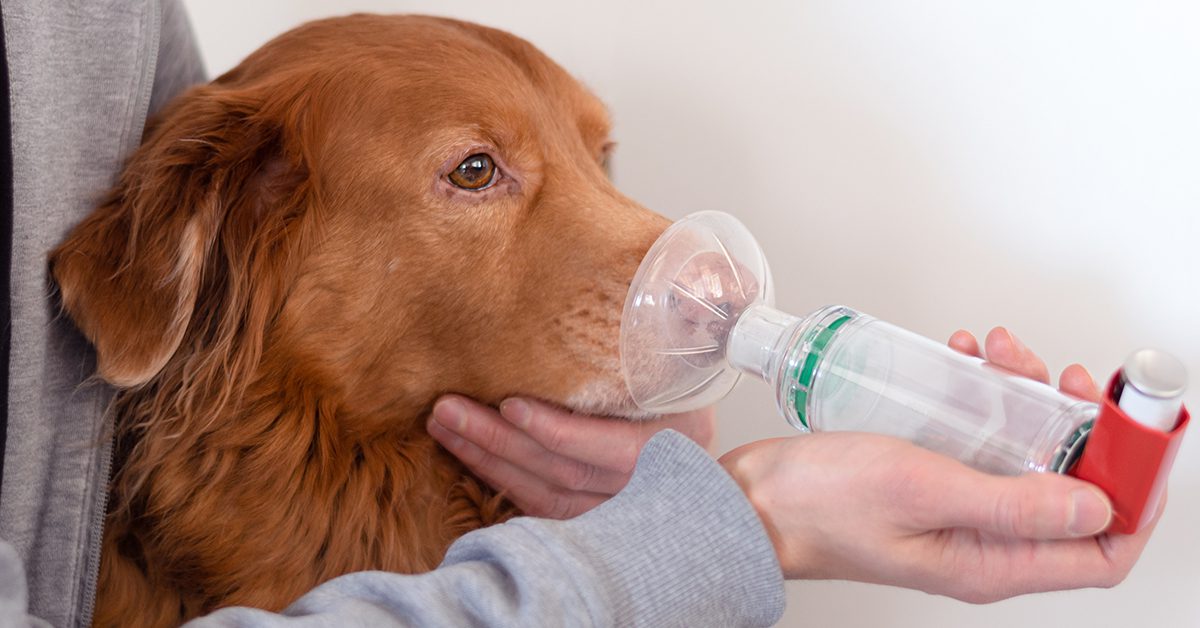
Why Does My Dog Wheeze?
Wheezing always points to some kind of airway narrowing, but the reason behind that narrowing varies widely from dog to dog. Below are the causes veterinarians see most often when a dog starts wheezing all of a sudden.
Allergies and Environmental Irritants
Pollen, mold, dust mites, cigarette smoke, cleaning products, and strong fragrances can inflame the airways and trigger wheezing. On the Eastern Shore, seasonal pollen and damp conditions near the water can make allergic flare-ups more noticeable during certain times of year. Allergy-related wheezing may come and go and often appears alongside itchy skin or watery eyes. A new air freshener, a freshly treated lawn, or smoke from a nearby fire pit can also explain a dog wheezing all of a sudden on an otherwise normal day.
Inhaled Foreign Objects
Curious dogs sniff everything, and grass awns, small toy pieces, or bits of food can lodge in the nose, throat, or windpipe. A dog that suddenly starts wheezing after playing outdoors or chewing a toy may have something stuck in its airway. This situation calls for prompt veterinary care.
Respiratory Infections
Kennel cough, canine influenza, and pneumonia inflame the airways and can produce wheezing, coughing, and nasal discharge. Dogs that recently visited a boarding facility, groomer, dog park, or daycare face higher exposure. Puppies, seniors, and dogs with weaker immune systems may develop more serious complications, so an infection that starts as mild wheezing can sometimes progress into pneumonia. If your dog is wheezing all of a sudden and also seems tired, feverish, or uninterested in food, a respiratory infection moves higher on the list of possibilities.
Structural and Chronic Conditions
Collapsing trachea, common in small breeds like Yorkshire Terriers and Pomeranians, causes the windpipe to flatten and produce a honking or wheezing sound. Flat-faced breeds such as Bulldogs and Pugs often have narrow airways that make breathing noisy. Chronic bronchitis, heart disease, and certain tumors can also cause wheezing, particularly in older dogs. With heart disease, fluid can build up in or around the lungs, so sudden wheezing in a senior dog sometimes reflects a cardiac problem rather than a breathing problem alone.
Is It Wheezing, Reverse Sneezing, or Something Else?
Dogs make a surprising range of breathing noises, and not all of them mean the same thing. Identifying the type of sound gives your veterinarian useful clues about where the problem lies.
True Wheezing
Wheezing produces a high-pitched whistle, usually heard as your dog breathes out. It typically originates in the lower airways, such as the bronchi, and often points to inflammation, narrowing, or fluid in the lungs.
Reverse Sneezing
Reverse sneezing sounds alarming but rarely causes harm. Your dog rapidly pulls air in through the nose, creating a loud snorting or honking noise that lasts a few seconds to a minute. Episodes often follow excitement, pulling on a leash, or exposure to an irritant. Many owners mistake a reverse sneeze for a dog wheezing all of a sudden, so mention this possibility to your veterinarian.
Other Sounds to Note
A few additional noises can help narrow down the cause:
- Stridor: a harsh, high-pitched sound during inhalation, often linked to upper airway or larynx problems
- Stertor: a low, snoring sound that usually comes from the nose or throat
- Honking cough: a goose-like cough commonly associated with a collapsing trachea
- Moist or crackling breaths: sounds that may suggest fluid in the lungs
Recording a short video of the noise on your phone can be one of the most helpful things you bring to your appointment, since breathing sounds don’t always happen on cue in the exam room.
When Is Sudden Wheezing an Emergency?
Some cases of mild wheezing can wait for a scheduled appointment, but others require immediate care. Knowing the difference can protect your dog’s life.
Signs That Need Immediate Attention
Contact your veterinarian or the nearest emergency hospital right away if your dog shows any of the following:
- Blue, purple, or very pale gums or tongue
- Open-mouth breathing or obvious effort while resting
- Pawing at the mouth, gagging, or signs of choking
- Collapse, fainting, or extreme weakness
- Facial swelling, hives, or wheezing after a bee sting or new food
- Breathing that keeps getting faster or louder
Sudden facial swelling combined with wheezing may signal a severe allergic reaction, which can close the airway quickly. Choking from a foreign object also demands urgent professional help.
When to Schedule a Prompt Visit
If your dog wheezes but otherwise eats, drinks, and acts normally, call Midshore Veterinary Service at (410) 820-9229 to book an appointment soon. Wheezing that lasts more than a day, returns repeatedly, or comes with coughing, nasal discharge, fever, or reduced energy deserves an exam. Senior dogs and small or flat-faced breeds should be seen sooner, since their airways and hearts leave less room for error.
Avoid Waiting It Out
Owners sometimes hope a breathing change will resolve on its own. While some episodes do pass, the underlying cause of a dog wheezing all of a sudden can progress quietly. A timely exam often leads to simpler, more effective care.
How Veterinarians Find the Cause of Wheezing
Answering “why is my dog wheezing all of a sudden?” usually takes a combination of history, physical findings, and diagnostic testing. Each step helps your veterinarian rule causes in or out.
Health History and Physical Exam
Your veterinarian will listen closely to your dog’s heart and lungs, check the nose, mouth, and throat, and evaluate breathing effort. Your observations at home matter just as much. Before your visit, jot down details such as:
- When the wheezing started and how often it happens
- Whether it occurs during rest, exercise, sleep, or excitement
- Recent boarding, grooming, travel, or contact with other dogs
- Any new foods, cleaning products, plants, or yard treatments
- Changes in appetite, energy, or water intake
Diagnostic Testing
Depending on the exam findings, your veterinarian may recommend chest X-rays to evaluate the lungs, heart size, and windpipe. Bloodwork can reveal infection, inflammation, or other systemic issues. In some cases, an airway scope, heart ultrasound, or sample of airway fluid provides a clearer answer. These tests help your veterinary team build a treatment plan aimed at the true source of the problem rather than just the symptom.
Follow-Up Care
Chronic conditions like collapsing trachea, bronchitis, or heart disease often need ongoing monitoring. Regular rechecks allow your veterinarian to adjust care as your dog’s needs change over time.
Get Answers for Your Wheezing Dog at Midshore Veterinary Service
Hearing your dog struggle to breathe is stressful, and you deserve clear answers. If you’ve found yourself wondering, “Why is my dog wheezing all of a sudden?” the safest next step is a professional evaluation. Midshore Veterinary Service serves dogs and their families throughout Easton, MD, and the surrounding Eastern Shore communities, and our team can examine your dog, explain what’s behind the noise, and recommend care suited to your pet’s age, breed, and health history. Bring along a video of the wheezing and your notes about when it happens, as these details can speed up the diagnosis. Remember that blue gums, labored breathing, or collapse always call for emergency care. For non-emergency breathing concerns or to schedule a wellness exam, call us at (410) 820-9229. We’re here to help your dog breathe easier and get back to doing what they love.
Recent Posts
About Us
At Midshore Veterinary Service, we don’t just care for animals—we care for the people who love them. Since 1994, we’ve strived to be the go-to veterinary hospital for cats, dogs, farm animals, and exotic pets in Easton, MD, and the surrounding areas.