
The best way to prevent a UTI in cats is to encourage steady water intake, maintain a clean and inviting litter box, reduce household stress, and schedule regular wellness exams that include urine testing. Urinary problems rank among the most common reasons cats visit the veterinarian, and many cases become far less likely with a few consistent habits at home. At Midshore Veterinary Service in Easton, MD, our team sees firsthand how a mild urinary issue can escalate into a painful, sometimes life-threatening emergency. We want local cat owners to feel confident spotting trouble early and understanding the factors that put a cat’s bladder at risk. In this guide, we cover what causes urinary blockages, how true infections differ from other bladder conditions, which cats face higher odds of problems, and the everyday steps that support a healthy urinary tract. If you’ve been searching for how to prevent a UTI in cats, this article gives you a practical starting point to discuss with your veterinarian.
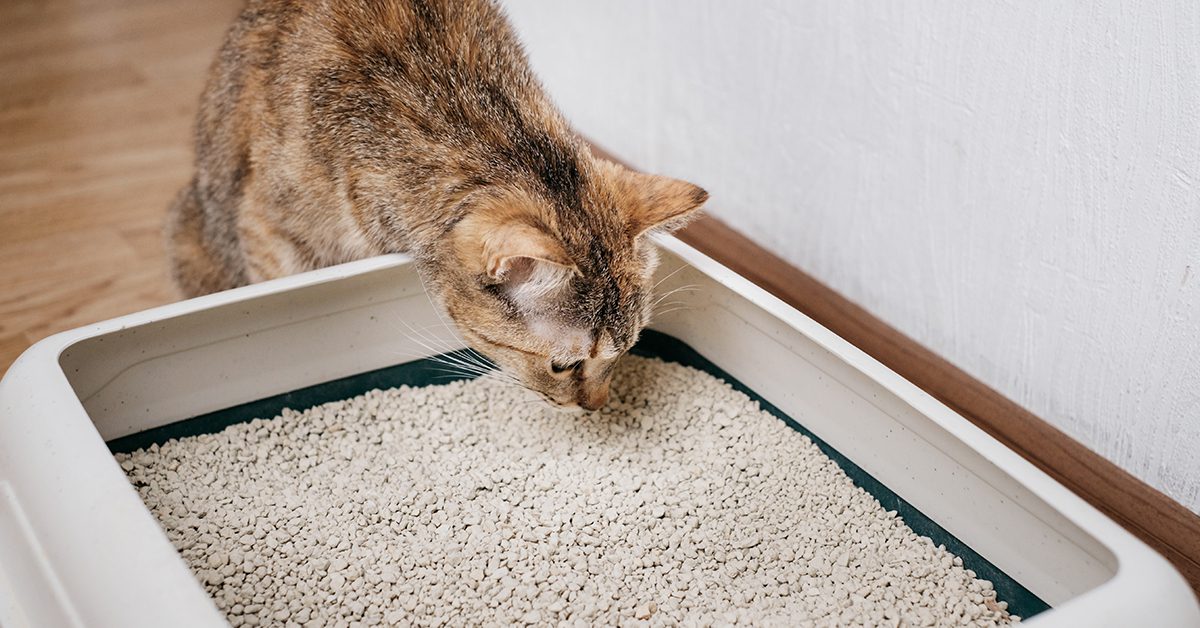
What Causes a Urinary Blockage in Cats?
A urinary blockage happens when something physically obstructs the urethra, the narrow tube that carries urine out of the body. While a blockage is not the same thing as an infection, the two often share risk factors, so understanding blockages is a key part of learning how to prevent a UTI in cats.
Crystals and Bladder Stones
Minerals in a cat’s urine can form microscopic crystals or larger stones. Struvite and calcium oxalate are the two most common types. Crystals can clump together and lodge in the urethra, while stones irritate the bladder wall and may pass into the urethra as well. Urine concentration, pH, diet, and hydration all influence whether these minerals form.
Urethral Plugs and Inflammation
Urethral plugs are soft masses made of mucus, cells, and mineral material. Inflammation of the bladder and urethra can also cause swelling and muscle spasms that narrow the passage even further. Male cats face a much higher risk of obstruction because their urethra is longer and narrower than a female cat’s.
Why a Blockage Is Always an Emergency
When urine cannot leave the body, toxins and potassium build up in the bloodstream within hours. Without prompt veterinary treatment, a blocked cat can develop dangerous heart rhythm changes and kidney damage. Call your veterinarian or an emergency clinic right away if you notice any of these signs:
- Repeated trips to the litter box with little or no urine produced
- Straining, crying, or vocalizing while trying to urinate
- Constant licking of the genital area
- Vomiting, hiding, or sudden lethargy
- A firm, painful belly or reluctance to be touched
If you see these symptoms, reach Midshore Veterinary Service at (410) 820-9229 without delay. Never wait to see if a straining cat improves on its own.
Is It a UTI or a Different Urinary Problem?
Many cat owners assume every bathroom issue points to an infection, but feline urinary conditions come in several forms. Knowing the difference helps you understand why your veterinarian may recommend specific tests before deciding on a plan, and it clarifies which steps truly help prevent a UTI in cats.
Feline Lower Urinary Tract Disease (FLUTD)
Veterinarians use the term FLUTD as an umbrella for conditions affecting the bladder and urethra. These include bacterial infections, crystals, stones, urethral plugs, and a common condition called feline idiopathic cystitis (FIC). Idiopathic cystitis involves bladder inflammation without a clear underlying cause, and stress appears to play a major role. FIC actually occurs far more often than bacterial infections in young and middle-aged cats.
When True Bacterial Infections Occur
Bacterial urinary tract infections tend to show up more often in senior cats, especially those with other health conditions. Kidney disease, diabetes, and hyperthyroidism can all produce more dilute urine, which makes it easier for bacteria to take hold. Cats with a history of urinary catheterization or anatomical abnormalities may also face a higher risk. Because the symptoms of a UTI in cats look nearly identical to FIC or crystals, home observation alone cannot tell you which condition your cat has.
Why Testing Matters
A urinalysis evaluates urine concentration, pH, crystals, blood, and signs of inflammation. A urine culture confirms whether bacteria are present and identifies which medications will work against them. Imaging such as X-rays or ultrasound can reveal stones. These diagnostics help your veterinarian target the real problem instead of guessing, and the results often shape the long-term strategy to prevent a UTI in cats who have had urinary trouble before.
Which Cats Face a Higher Risk of Urinary Issues?
Any cat can develop a bladder problem, but certain traits and lifestyles raise the odds considerably. Recognizing your own cat’s risk profile makes it easier to focus on the habits that matter most when you want to prevent a UTI in cats with a higher likelihood of trouble.
Cats with the following characteristics tend to see their veterinarian for urinary concerns more often:
- Male cats, particularly neutered males, because of their narrow urethra and greater risk of obstruction
- Overweight or inactive cats, which often urinate less frequently and hold urine longer
- Indoor-only cats with limited enrichment or exercise
- Cats on dry-food-only diets, since they typically take in less total moisture
- Cats in multi-cat homes, where competition for resources can create hidden stress
- Senior cats living with kidney disease, diabetes, or thyroid conditions
The Role of Stress
Stress affects feline bladder health more than many owners realize. Moving to a new home, adding a pet or baby, construction noise, changes in routine, and conflict with other cats can all trigger flare-ups of idiopathic cystitis. Some cats show stress openly by hiding or overgrooming, while others hide their discomfort until urinary signs appear.
Age and Health History
Cats between roughly two and six years old most commonly develop FIC and crystals, while bacterial infections become more frequent after age ten. A cat who has already experienced one urinary episode carries a higher chance of a repeat, which makes ongoing follow-up with your veterinarian especially valuable.
How to Prevent a UTI in Cats With Everyday Habits
Prevention rarely depends on a single change. Instead, small adjustments to hydration, litter box care, environment, and routine checkups work together to protect your cat’s urinary tract over time.
Encourage Your Cat to Drink More
Hydration sits at the top of any plan for how to prevent a UTI in cats. Well-diluted urine flushes the bladder more often and makes crystal formation less likely. Many cats prefer moving water, so a pet fountain may increase interest. Placing several fresh water bowls in different rooms, away from food and litter, also helps. Ask your veterinarian whether adding wet food to your cat’s diet makes sense, since canned food provides a significant amount of moisture.
Create a Litter Box Your Cat Wants to Use
Cats who dislike their litter box may hold urine longer, which concentrates it and raises the chance of a UTI in cats prone to bladder issues. A few litter box guidelines go a long way:
- Provide one box per cat, plus one extra
- Scoop at least once daily and fully refresh litter regularly
- Choose quiet, low-traffic spots on each floor of your home
- Offer unscented, fine-textured litter, which most cats prefer
- Pick boxes large enough for your cat to turn around comfortably
Reduce Stress at Home
Predictable feeding times, vertical spaces like cat trees, hiding spots, and daily play sessions help cats feel secure. In multi-cat homes, separate feeding and resting areas cut down on tension.
Support a Healthy Weight and Diet
Regular play and portion control help prevent obesity, a major urinary risk factor. If your cat has a history of crystals or stones, your veterinarian may recommend a therapeutic urinary diet. Always make diet changes under veterinary guidance, since the right formula depends on your cat’s specific diagnosis.
Schedule Routine Wellness Exams
Annual exams, or twice-yearly visits for senior cats, allow your veterinarian to catch subtle changes before symptoms appear. Routine urinalysis remains one of the most reliable tools to prevent a UTI in cats from progressing unnoticed.
Partner With Midshore Veterinary Service for Lifelong Urinary Health
Knowing how to prevent a UTI in cats gives you a real advantage, but prevention works best as a partnership between you and your veterinary team. Every cat has a unique combination of age, diet, temperament, and health history, so a personalized plan offers far better protection than a one-size-fits-all approach. The veterinarians at Midshore Veterinary Service in Easton, MD, can evaluate your cat’s risk factors, perform urine testing, and recommend diet, hydration, and environmental strategies tailored to your household. If your cat has struggled with urinary issues in the past, regular rechecks help catch a recurrence early. Watch for changes in litter box habits, and treat any straining or inability to urinate as an emergency. To schedule a wellness visit or talk with our team about your cat’s urinary health, call us at (410) 820-9229. We look forward to helping your cat stay comfortable, healthy, and happy for years to come.
Recent Posts
About Us
At Midshore Veterinary Service, we don’t just care for animals—we care for the people who love them. Since 1994, we’ve strived to be the go-to veterinary hospital for cats, dogs, farm animals, and exotic pets in Easton, MD, and the surrounding areas.